


Thracian Feasts
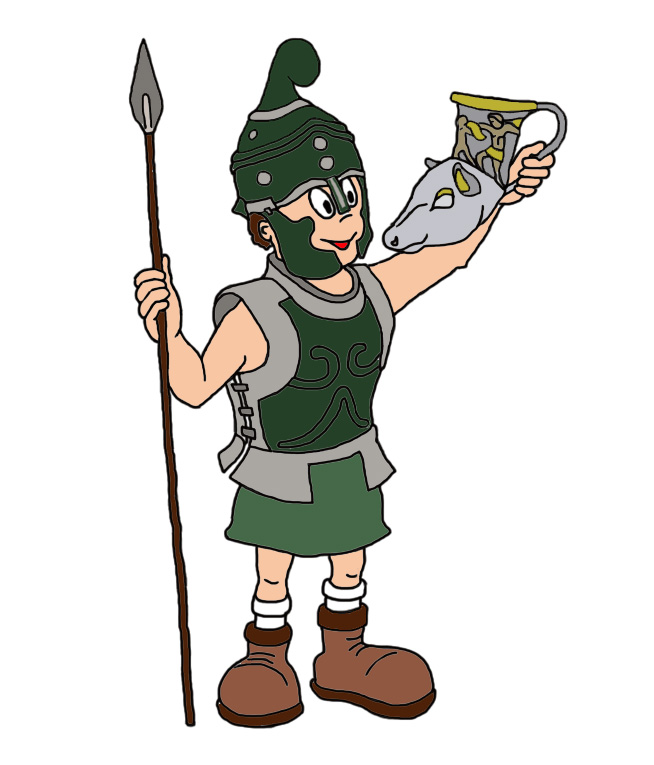
The Thracian aristocracy used exquisite Greek ceramic vessels and precious metal containers for their lavish feasts. Wine was poured from jugs through special vessels called rhytons into drinking cups—phiales and goblets. They drank the renowned Thracian wine praised by the Greek poet Homer. Homer tells us how the Thracian priest Maron gave the Greek seafarer Odysseus twenty amphorae of sweet, blended wine. It was so excellent that Maron shared it with few, keeping it for himself. When someone asked to drink from this red wine, sweet as honey, he would fill one cup, mix it with twenty times as much water, and a pleasant, divine fragrance would spread from the vessel. All those present found it difficult to refrain from drinking.
Another passage from "The Odyssey" describes the stages of the heroic feast: preparations for ritual body washing, followed by the washing itself; anointing the hands with oil; sitting on a chair and placing the feet on a footrest; washing the hands again; and finally consuming food and drink served in gold and silver vessels. The Greek author Xenophon also recounts how Thracian kings held their feasts: "When the most distinguished Thracians present, the commanders and captains of the Greeks, and the envoys of certain cities had assembled, they all sat down to dinner in a circle. Then about twenty tripod tables were brought in, heaped with pieces of meat on which large loaves of leavened bread were stuck. The food-laden tables were placed before the guests. There was a custom, and Seuthes followed it: he took the loaves of bread before him, broke them up, and tossed the pieces to whomever he pleased. He did the same with the meat." At this banquet, horns of wine were passed around, and precious gifts were ritually exchanged. Finally, "men entered who played horns—such as are used for giving signals—and bagpipes that had rhythm. Seuthes himself rose, gave a war cry, and leapt nimbly, as if dodging an arrow. Jesters also entered" (Xenophon. Anabasis 7.3.21–33).
Findings from burial mounds and the depiction of a ritual feast from the famous tomb at Kazanlak show that feasts were also held in honor of deceased aristocrats. According to the Greek historian Herodotus, wealthy Thracians were buried as follows. First, the body was displayed in the open for three days. During this time, various animals were slaughtered, and feasts were held after mourning the deceased. Then, they buried the body, either by cremation or by placing it in the earth. Afterward, they raised a mound and held various competitions.